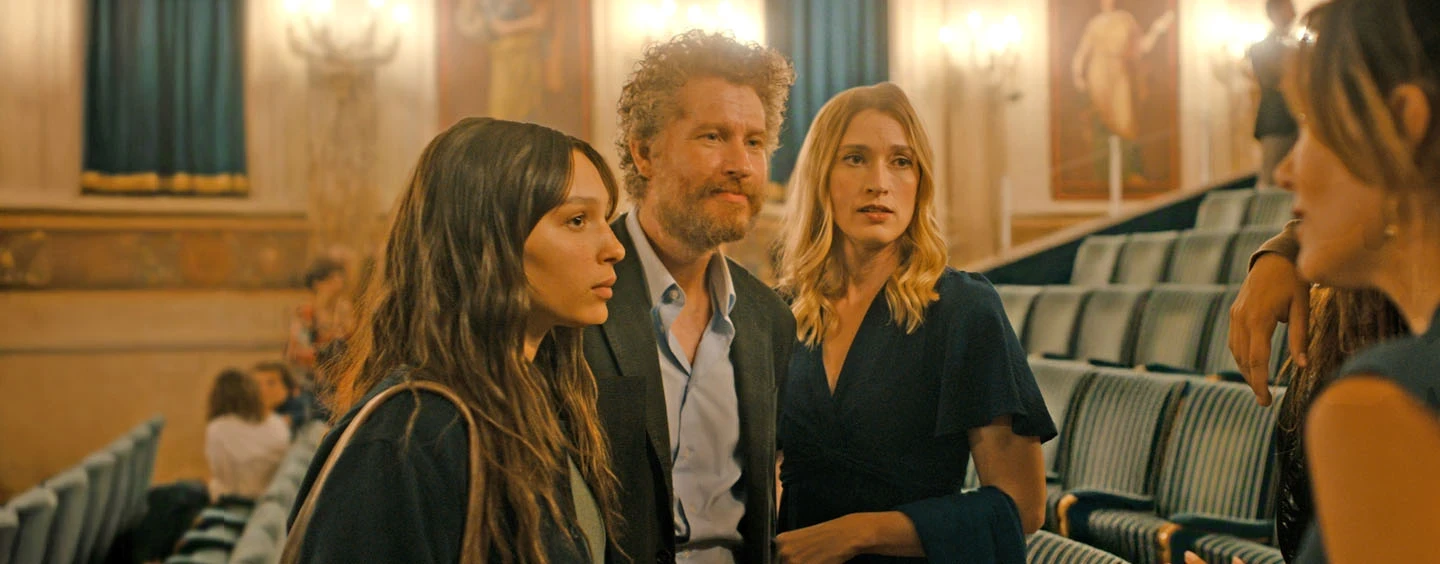
Fühlt Ihr Meiner Stimme: The Italian Remake of CODA Explored
In the vibrant tapestry of global cinema, some stories resonate so deeply that they transcend borders and languages, finding new voices and interpretations in different cultures. Such is the case with Fühlt Ihr Meiner Stimme, the compelling Italian adaptation of a narrative that first captured hearts with the French film La Famille Bélier (released as Verstehen Sie die Béliers? in German-speaking countries) and later earned widespread acclaim as the Oscar-winning American remake, CODA.
This Italian rendition, now streaming on Netflix, transports viewers to the picturesque landscapes of northern Italy, where it reimagines the universally touching tale of a young woman caught between profound familial duty and her burgeoning personal dreams. At its core, Fühlt Ihr Meiner Stimme delves into the unique challenges and responsibilities faced by a 'CODA' – an acronym for 'Child of Deaf Adults'. These individuals grow up bridging two distinct worlds: the silent, expressive realm of their deaf family and the loud, verbal society outside. It's a journey of self-discovery, sacrifice, and the search for one's own voice, both literally and metaphorically.
The Universal Language of Storytelling: From France to Italy
The lineage of Fühlt Ihr Meiner Stimme is a fascinating testament to the enduring power of its central narrative. It began with the heartwarming French comedy-drama La Famille Bélier in 2014, which charmed audiences with its blend of humor, tenderness, and musical aspirations. Seven years later, the story was reimagined for an American audience as CODA, earning critical accolades and the coveted Academy Award for Best Picture. Now, the narrative comes full circle, returning to its European roots with this Italian interpretation.
Unlike CODA, which relocated the family to a rugged fishing village in Massachusetts, Fühlt Ihr Meiner Stimme embraces the Mediterranean charm of a small, rural town in northern Italy. Here, the deaf family operates a donkey farm, selling milk and cheese, and navigating daily life with Eletta, their sole hearing member, as their indispensable interpreter. This shift in setting doesn't merely change the scenery; it infuses the story with a distinct Italian temperament, offering a fresh perspective while maintaining the authentic emotional core that made its predecessors so beloved. It's a tale that proves some narratives are truly timeless and universal, irrespective of the language they're spoken in, or the specific "Fühlt Ihr Meiner Stimme": A Heartfelt Italian CODA Story on Netflix cultural backdrop.
Eletta's World: Navigating Silence and Song
At the heart of Fühlt Ihr Meiner Stimme is 17-year-old Eletta (portrayed by the talented Sarah Toscano), whose life is defined by a profound, often overwhelming, sense of responsibility. As the only hearing person in her deaf family, she acts as their unwavering bridge to the hearing world. Her days are a constant balancing act between school and the demands of their family farm, where they breed donkeys and produce dairy. From negotiating feed purchases for their animals to selling their produce at the local market, Eletta is her family's voice in every interaction. Whether it's a routine doctor's visit or a crucial appointment with local authorities, her presence is indispensable; without her, communication for her family grinds to a halt.
This immense responsibility shapes Eletta's identity, often forcing her to mature far beyond her years. She is, quite literally, the voice of her entire family, even in the most awkward and humorous situations – such as having to translate her mother's loud protests during a gynecological exam. This charming blend of situational comedy and heartfelt drama establishes the film's tone early on, showcasing the unique dynamics of a CODA family.
Eletta's carefully constructed world begins to shift when she joins the school choir, initially to be closer to her crush. There, her extraordinary singing talent is discovered by an astute music teacher who recognizes her potential and encourages her to pursue an audition at a prestigious music school in Turin. This revelation ignites a deep emotional conflict within Eletta. Does she follow her passion for music and forge her own path, or does she remain the unwavering, essential voice for her family, who seemingly need her more than ever? This central dilemma forms the emotional backbone of the film, exploring the profound question: Who is one truly, when constantly speaking for others? For a deeper dive into her struggles, check out Eletta's Dilemma: Finding Her Voice Beyond Family's Silence in "Fühlt Ihr Meiner Stimme".
The Cast Behind the Italian Charm: Fühlt Ihr Meiner Stimme Film Besetzung
The success of any film, particularly one built on such nuanced emotional dynamics, hinges significantly on the strength of its cast. The Fühlt Ihr Meiner Stimme Film Besetzung (cast) plays a crucial role in bringing authenticity and depth to this Italian remake. While the original French and American versions featured stellar ensembles, the Italian adaptation benefits immensely from its own talented actors who imbue their characters with genuine South European temperament.
At the forefront is Sarah Toscano as Eletta, whose portrayal must carry the emotional weight of the film. She embodies the teenage angst, the familial devotion, and the burgeoning hope of a young woman on the cusp of self-discovery. Her performance is vital in conveying the internal conflict between her duty to her family and her personal aspirations. The film's ability to entertain, as noted by critics, is largely attributed to the strong performances of its cast, who skillfully navigate both the humorous and heartbreaking moments.
Beyond Eletta, the actors portraying her deaf family members are equally pivotal. Their ability to communicate complex emotions and foster believable family bonds without relying on spoken dialogue is essential. This demands powerful non-verbal acting and a deep understanding of sign language and deaf culture, ensuring that the family's world feels real and relatable to the audience. The chemistry within the family unit is critical for establishing the stakes of Eletta's dilemma, making their dependence on her palpable and their love for her undeniable. The film also artfully integrates Italian music, tying into the country's rich musical heritage and making Eletta's talent feel intrinsically connected to her surroundings.
While the reference context specifically highlights Sarah Toscano and praises the "good actors" overall, the collective talent of the Fühlt Ihr Meiner Stimme cast ensures that the narrative feels fresh, heartfelt, and uniquely Italian, contributing significantly to its charm and emotional impact.
More Than a Remake: Why This Italian Adaptation Resonates
Fühlt Ihr Meiner Stimme is far more than a simple re-telling; it's a thoughtful reinterpretation that resonates through its distinct Italian lens. By returning the story to European sensibilities, it brings a particular kind of warmth and authenticity that sets it apart from its predecessors. The Mediterranean landscapes of Italy provide a stunning backdrop for Eletta's emotional journey, contrasting sharply with the rugged New England coast of CODA. This setting not only adds visual beauty but also subtly influences the family's lifestyle and community interactions, grounding the story firmly in its Italian context.
The film brilliantly captures the nuanced challenges of being a CODA, portraying the constant tightrope walk between two cultures. It illuminates how CODA children often become guardians and communicators at a tender age, fostering a premature sense of adulthood. Yet, amidst the weighty themes of responsibility and identity, the film is also imbued with a healthy dose of situational comedy and South European temperament, making for a genuinely engaging viewing experience. From the initial charming moments to the emotionally charged climax, it maintains a balance that keeps audiences invested.
While some critiques suggest that the expansion of the romance element feels a bit tacked on, perhaps borrowing too heavily from contemporary young-adult films like the German "Culpa" series, this minor point does not detract significantly from the overall strength of the narrative. The core themes—the burden of responsibility, the liberating power of music, and the universal quest for self-realization—are handled with grace and authenticity, proving that some stories possess an inherent power that transcends cultural boundaries. The film is rated suitable for ages 14 and up, ensuring a broad audience can appreciate its poignant narrative and strong performances.
Conclusion
Fühlt Ihr Meiner Stimme stands as a beautiful and poignant addition to the enduring legacy of a beloved story. Through its distinctly Italian charm, compelling performances from the Fühlt Ihr Meiner Stimme Film Besetzung, and a heartfelt exploration of a young woman's dilemma, the film offers a fresh and resonant perspective on the CODA experience. It's a tale that will make you laugh, shed a tear, and ultimately reflect on the universal quest for identity, the strength of family bonds, and the courage it takes to find and follow one's own voice. Whether you're familiar with its predecessors or discovering this story for the first time, this Italian adaptation is a captivating watch that celebrates the power of music, love, and self-discovery.